The Hidden Cost of Hiring an Agent Who Isn't Familiar With Horse Property
When you are selling a horse farm or equestrian property you are not just selling a house. You are selling a lifestyle land use and very specialized infrastructure. Many real estate agents do not understand the details that come with horse properties. Hiring the wrong agent can end up costing you time money and a lot of stress.
Here are the risks you take when you choose someone who is not experienced in equine real estate and why having an agent who truly understands this niche is so important.
1. Extended Days on Market
The buyer pool for equine properties is much smaller than for typical homes. Buyers need to be horse owners or people interested in the equestrian lifestyle which already narrows the number of potential buyers.
Agents who do not understand horse properties often misprice them because they do not know how to value barns arenas fencing water systems pasture quality or outbuildings. When a property is priced incorrectly it sits. The longer it sits the more buyers assume something is wrong with it.
I have had agents personally admit that they took on more than they could handle with an equine listing. They tell me they are grasping at straws because the property is already over one hundred days on market. By that point the listing is stale and every week that passes makes it harder to create urgency. Some have admitted openly that they do not have the buyer pool or the connections needed to get the right eyes on the property. Others have admitted they priced the property inefficiently for the market which is a shame for sellers who may be working against the clock or already have another property lined up.
Marketing is another huge factor. If your property is only being marketed the same way as every other residential home it may never reach equestrian buyers. They look in very specific places such as horse property sites equine based social media groups and farm focused platforms. Without the right exposure your property can easily sit on the market for months.
In Wisconsin the median days on market for horse farms is around one hundred nineteen days according to current land listing data. For sellers this often means carrying costs piling up and unnecessary financial strain.
2. Inaccurate Pricing
Pricing a horse property is not the same as pricing a suburban home. Every equine property is unique and there is no standard template. Soil type pasture condition drainage arena footing stall design layout of paddocks and water access all affect value. Agents with no horse background simply do not understand these things and often price incorrectly.
Underpricing means losing money. Overpricing can scare away the few qualified equine buyers who understand the true value of the infrastructure. Either way you lose.
When a property is overpriced from the start it eventually grows stale. Buyers begin to wonder why it has been sitting so long which usually results in lower offers and harder negotiations. This is exactly what happens when inexperienced agents admit they were guessing on price and now the property is stuck on the market with no momentum left.
3. Weak or Generic Marketing
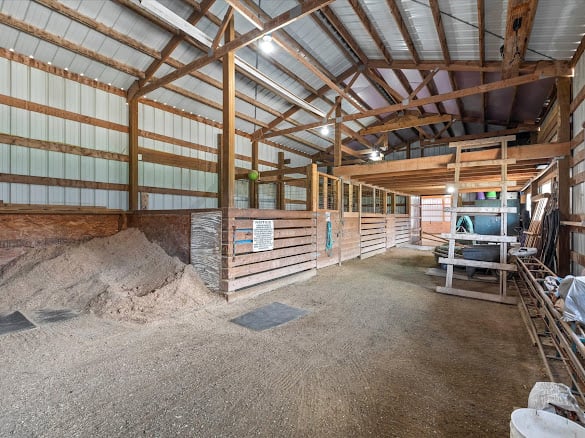
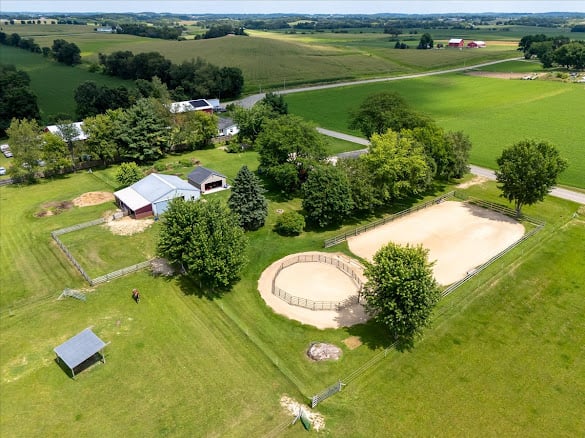
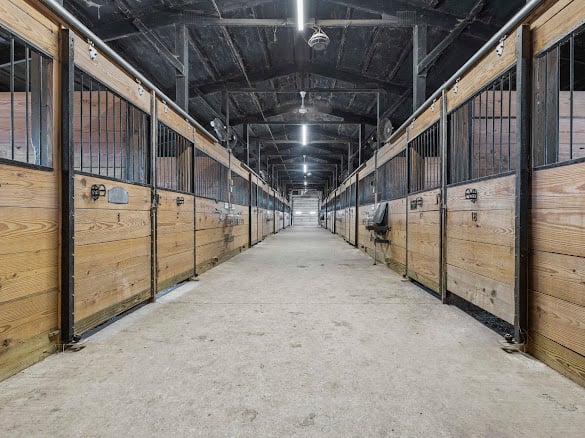
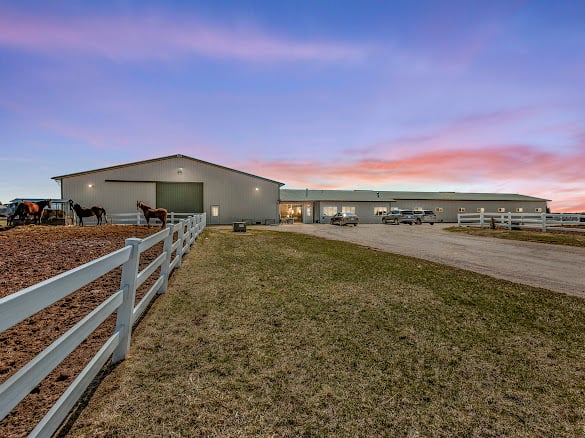
Generic marketing rarely works for horse properties. Equine buyers want to see the barn interior the pasture layout the fencing type the arena footing the run in sheds the hay storage and the water sources. They also want to see aerial views and a layout that helps them envision how the horses live on the land.
Agents who do not specialize in horse properties often skip these important visuals. They also tend to ignore horse specific platforms equine targeted ads and specialized directories. As a result the listing never reaches the right audience and the seller loses valuable time.
Several agents have told me they simply do not have the network or reach to get their equine listing in front of serious horse buyers. That alone can cost a seller months of wasted time.
4. Limited Network Poor Negotiation and Weak Advocacy
An agent without equine experience usually has no network of equestrian buyers equine lenders appraisers barn builders or horse professionals. They may not know how to negotiate around issues specific to horse properties such as upkeep costs zoning requirements infrastructure needs or long term maintenance.
They also may not know how to communicate the value of the property to buyers who are not horse savvy. This can lead to weaker negotiation and lower offers because the agent does not know which details add value or how to justify them.
5. Inability to Guide Sellers on Improvements
Preparing a horse property for sale requires knowing what updates matter to equine buyers. An inexperienced agent cannot guide you properly. They may encourage upgrades that do not matter or fail to suggest improvements that would make a major impact.
Things like adjusting turnout layout improving drainage updating fencing refreshing the arena footing and even reorganizing the barn can dramatically change how a property shows. If an agent does not understand horse operations they cannot advise you in a meaningful way and many of them admit this when they are already deep into a listing that is not moving.
6. Financing Problems with Buyers
Financing for horse properties can be more complicated than a typical mortgage. Many lenders do not understand agricultural or equestrian properties. When buyers choose the wrong lender the deal can easily fall apart.
An equine agent usually knows exactly which lenders are comfortable with farm financing and which ones to avoid. Agents without this knowledge may unintentionally put their sellers at risk because they cannot guide buyers properly.
7. Zoning Legal and Property Use Issues
Horse properties come with unique zoning rules land use restrictions and sometimes environmental regulations. A non specialist agent may overlook important details or fail to catch problems early which can cause delays appraisal issues or even legal complications later.
8. The Reality of the Buyer Pool
The number of people actively looking for equine properties in any state is small. That means every part of the listing must be handled correctly from day one. When your agent does not understand the equestrian market you risk missing the right buyers entirely. Without proper exposure connections pricing and strategy your property can sit far longer than it should and sell for less than it is worth.
This is exactly why so many agents eventually admit they are stuck. Without the right network and background in horse properties there is only so much they can do and unfortunately the seller is the one who ends up paying the price for that.
Final Thoughts
Selling a horse farm is completely different from selling a traditional home. The buyer pool is smaller the infrastructure is more specialized and the marketing needs to be tailored to buyers who understand horses. An agent who does not specialize in horse properties cannot offer the knowledge connections guidance or strategy required to sell efficiently and for the right price.
Choosing the right agent can save you time reduce stress and ensure you get the best return. Choosing the wrong one can cost you money opportunities and months of frustration.
Whether you’re buying your first home, selling a property, or searching for the perfect farm, we're here to guide you every step of the way with honesty, exceptional service, and a seamless, stress-free experience.