What Should You Inspect When Buying a Horse Property in Wisconsin?
A standard home inspection is necessary, but it is not enough for a Wisconsin horse property. Buyers should separately evaluate the barn and outbuildings, electrical systems, fencing, arena, drainage, usable acreage, well capacity, septic system, permits, zoning and manure setup.
The goal is not to demand perfection. It is to understand safety, function, legality and near-term capital cost before the buyer is committed.
No single inspector owns every answer. Depending on the facility, a buyer may need:
An equine agent should recognize the red flag and route it to the right expert—not pretend to be the engineer, zoning official or well contractor.
Look beyond stall fronts and fresh paint.
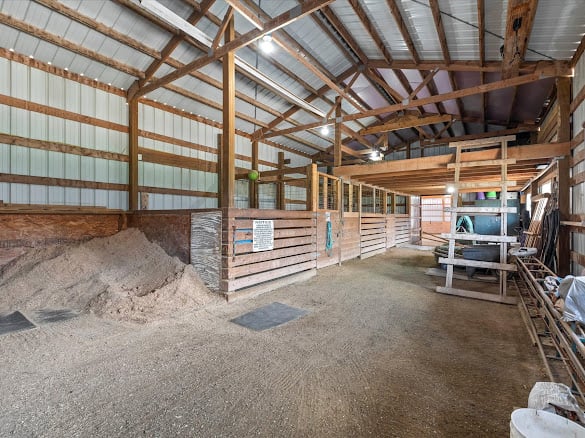
Review posts, trusses, foundations, roof condition, corrosion, rot, impact damage and signs of movement. Snow load matters in Wisconsin. Ask about roof leaks and how drifting snow behaves around additions and lean-tos.
Poor ventilation contributes to dust, moisture and respiratory problems. Evaluate ridge and eave ventilation, windows, airflow, ammonia odor and condensation.
Barn environments are dusty, damp and attractive to rodents. Have a qualified professional evaluate panels, wiring, outlets, lighting, extension-cord dependence, grounding and capacity for heaters, water systems or arena lights. Ask the insurer about required updates.
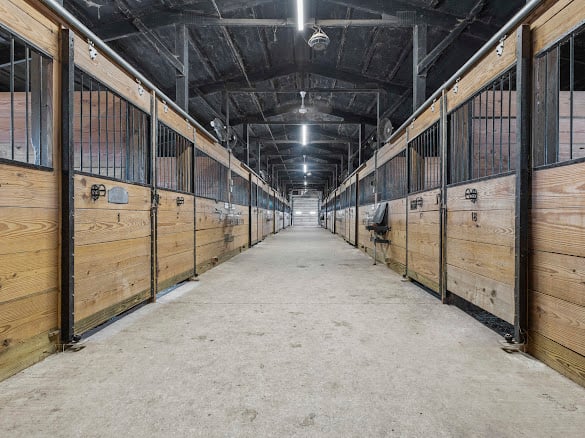
Inspect dimensions, door hardware, sharp edges, protrusions, wall condition, kick damage, flooring, drainage and emergency access. The Academy uses 12-by-12 feet as a common standard stall benchmark, while horse size and intended use can require more.
Locate hydrants, water lines and shutoffs. Ask where lines freeze, how automatic waterers are protected and how water reaches every horse during an outage.
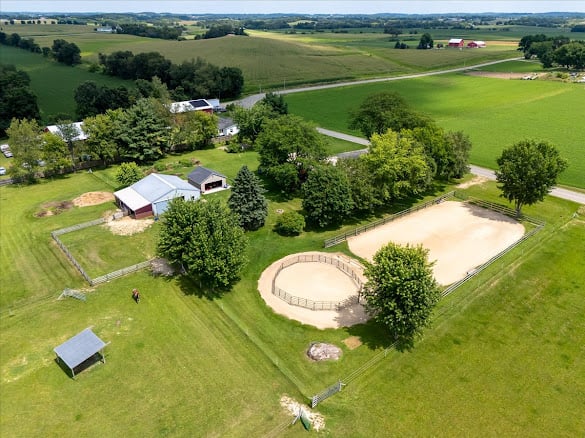
Walk the full arena, not just the edge by the gate.
Evaluate:
An arena can be an asset, a major deferred-maintenance project or both. “Indoor arena” is not a quality grade.
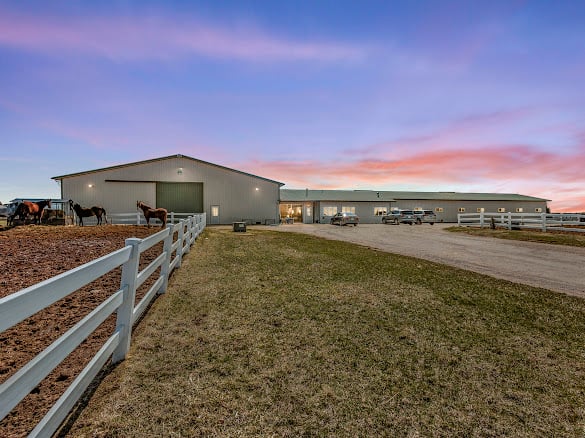
Walk the fence line. Identify material, height, condition, visibility, energizer function and dangerous transitions. Look for broken boards, sagging mesh, loose posts, protruding wire, narrow gate openings and areas where snow banks may reduce effective height.
Do not assume existing fencing suits every horse. Foals, minis, stallions and horses unfamiliar with electric fencing can require different containment.
Visit in wet conditions when possible. Look for standing water, churned gate areas, erosion, wetland vegetation, bare soil and manure runoff. Compare what you see with county GIS, USDA soil information, Wisconsin wetland mapping and FEMA flood data.
The DNR cautions that wetland maps are screening tools and may not show every wetland. If a planned arena, barn or access route depends on a questionable area, a professional delineation may be necessary.
For the well, test water quality and discuss yield, recovery, pump condition, pressure and sustained barn demand with a licensed professional. DNR says a property-transfer well inspection is optional, but when performed it must be completed by a licensed well driller or pump installer.
For septic, obtain permit and maintenance records, inspect the system and verify that any barn bathroom, apartment or future expansion is supportable. The county sanitarian is a key resource.
Compare the buildings on the ground with municipal permit records. Ask about open permits, code violations, nonconforming structures, conditional use approvals and legally permitted living space.
An unpermitted barn apartment is not merely a paperwork issue. It can affect financing, insurance, septic capacity and resale.
Classify findings into four buckets:
That structure helps buyers negotiate rationally rather than treating every defect as equal.
The right inspection asks two questions at once: “What is wrong?” and “Will this property work for my horses every day in Wisconsin?” A beautiful farmhouse does not compensate for an unsafe barn, inadequate water or unusable winter turnout.
PinkLady Properties helps buyers build a property-specific inspection plan and bring the correct specialists into the transaction.
Some will perform a limited review, but scope varies. Confirm exactly what is included and hire additional specialists for structure, electrical, water, septic and arena systems as needed.
At minimum, identify its material, depth, base, drainage and maintenance history. Serious competition buyers may benefit from an arena contractor's evaluation.
Spring thaw or after meaningful rain often reveals more than a dry midsummer visit. When timing does not allow that, use soils, wetland and drainage evidence conservatively.
Yes. Its location, posts, removal cost, encroachments and usefulness during the transition still affect the purchase.
Whether you’re buying your first home, selling a property, or searching for the perfect farm, we're here to guide you every step of the way with honesty, exceptional service, and a seamless, stress-free experience.