How Do I Know Whether the Land Will Actually Work for Horses?
Land works for horses when it is legal, accessible, well-drained, safely fenceable and sufficient for the buyer's turnout and feeding plan. Total acreage alone is a poor measure.
The most important distinction in equine real estate is total acreage versus usable acreage.
Start with the operation:
A trail rider with two easy keepers needs a different property than a six-horse dressage program or breeding operation.
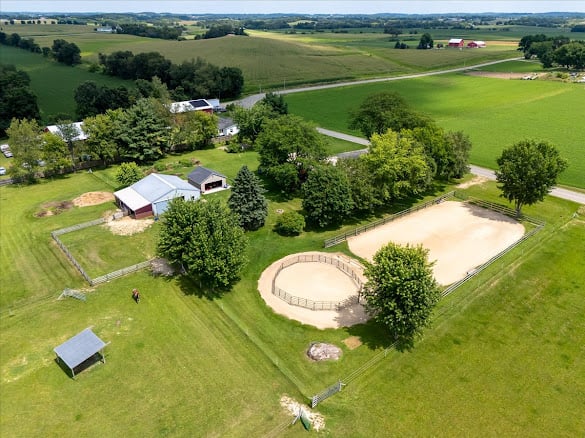
Map the parcel, then account for land that may not serve as pasture or turnout:
The remainder is a starting estimate, not a survey or guarantee.
For horse turnout, drainage can determine whether a property functions well or becomes a recurring mud project.
The USDA Web Soil Survey can identify mapped soil series, drainage class and slope. Use it to screen for poorly drained ground, then walk the land. Look for:
Maps are not a substitute for field conditions. If the purchase depends on building or intensive use in a questionable area, bring in the appropriate soil, drainage, engineering or wetland professional.
Wisconsin wetlands are not always visibly wet. DNR advises buyers to review existing maps, walk the property and use professional verification when necessary. Wetlands can limit filling, grading, crossings and structure placement.
Floodplain and shoreland rules can also change where a buyer may build, clear or alter the site. A picturesque creek may be an amenity and a regulatory boundary.
Healthy pasture should have useful forage coverage rather than predominantly weeds, bare soil or compacted sacrifice areas. Consider:
Pasture can be improved, but renovation takes time, money and management. Price that work rather than treating all green acreage as equal.
Good horse properties reduce labor and risk.
Walk the daily route:
Ask whether one person can move horses safely. Count gates. Notice blind corners and narrow lanes. Determine whether water and electricity are where the chores happen.
A beautiful June showing can hide a terrible March. Ask for photos from spring thaw, heavy snow and wet fall weather. Discuss frozen hydrants, snow drifting, driveway maintenance, roof shedding, ice at gates and where horses live when pasture must rest.
The best Wisconsin horse properties have a durable answer for mud and winter—not just lush summer grass.
The best land is not necessarily the largest parcel. It is the parcel where usable acreage, drainage, layout, access and legal rights match the buyer's real horse plan.
PinkLady Properties helps buyers examine the parts of a property that do not appear in bedroom counts or polished listing photos—because those are often the parts that decide whether the farm works.
Usable acreage is land that can practically and legally serve the buyer's intended purpose, such as safe, accessible, fenceable and adequately drained turnout or pasture.
No. Wisconsin DNR describes maps as guides; professional delineation is the authoritative method when exact boundaries matter.
Often, yes, but success depends on drainage, soil, weeds, compaction, stocking rate and management. Budget for soil testing, renovation and a place to keep horses while fields rest.
It may be a supplemental feature, but buyers should evaluate safety, reliability, quality and winter access. A dependable primary water system is still essential.
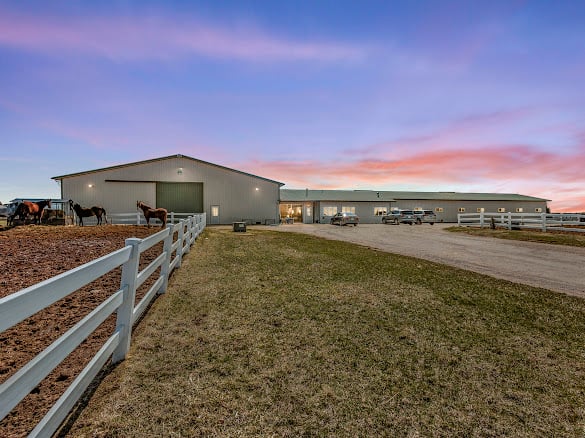
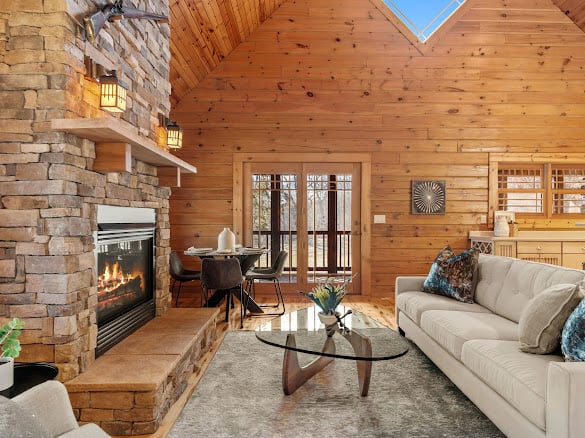
Whether you’re buying your first home, selling a property, or searching for the perfect farm, we're here to guide you every step of the way with honesty, exceptional service, and a seamless, stress-free experience.