Why Am I Not Finding My Dream Horse Property?
Buying a horse property is an exciting journey, but it's not without its challenges. Many prospective buyers come into the market with specific expectations and dreams, only to encounter roadblocks along the way. If you're wondering why your dream horse property seems so elusive, here are some key factors that could be at play.
1. A Narrow Location Radius
It's natural to want to live in a specific area, especially if it's close to work, family, or an equestrian community you love. However, limiting your search to a very small geographic radius can significantly reduce your options. Horse properties are already a niche market, and when you narrow down the area, the inventory shrinks even further.
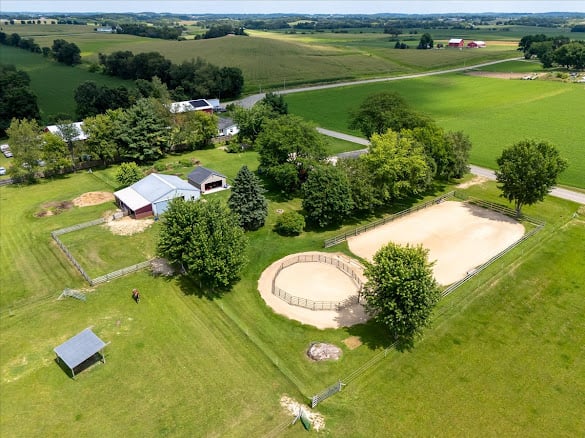
For example, if you're looking for a 10-acre property with a barn and arena in a suburban area, you might find yourself competing with non-equestrian buyers who value land for its development potential, driving up prices. Expanding your search radius, even by 20-30 miles, could open up more possibilities and give you a better chance of finding a property that meets your needs.
2. Unrealistic Budgets
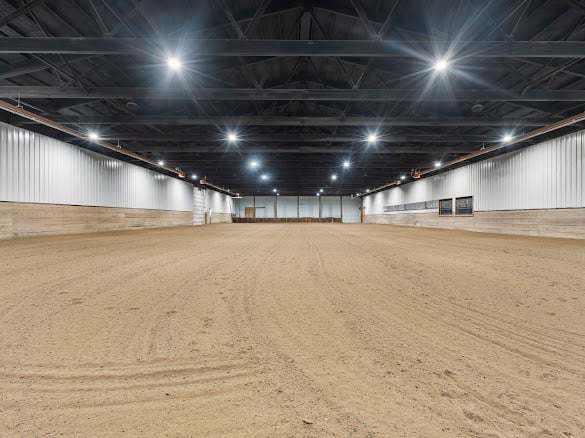
We've all heard of "the impossible budget" – buyers who want a high-end property but have a budget that doesn't match their expectations. For example, someone might want a fully equipped equestrian facility with an indoor arena, multiple pastures, and luxurious living quarters for the price of a modest home.
It's important to understand that equestrian properties often cost more than standard residential properties due to the additional land, barns, fencing, and other amenities. If you're dreaming big but have a limited budget, you may need to prioritize your must-haves and consider making upgrades over time rather than finding a turnkey solution.
3. High Expectations in High-Value Areas
Certain areas are simply more expensive, and buyers often struggle to reconcile their dream property with the market reality. For instance, someone might want a 20-acre property in a region known for its luxury estates. These areas often come with premium price tags, and compromises may be necessary to stay within budget.
Consider exploring adjacent areas that offer similar amenities or community connections at a more affordable price point. You'd be surprised how many hidden gems exist outside the "prime" zones.
4. The Low Inventory Challenge
The current housing market has a well-documented inventory shortage, and horse properties make up an even smaller percentage of available listings. Many owners of equestrian properties hesitate to sell because they've invested so much in customizations that cater to their specific needs. Additionally, the rising costs of relocating and building elsewhere can make it financially unfeasible for them to move.
Patience is key in a low-inventory market. Staying connected with a real estate specialist who knows the equestrian property market can give you access to off-market opportunities or properties that are about to hit the market.
5. Income Expectations vs. Reality
Many buyers hope to turn their horse property into a revenue-generating business, such as boarding or training. While this is a viable goal for some, it's crucial to crunch the numbers realistically. For example, ordinances might limit the number of horses you can board, and the cost of operating the business might outweigh the potential income.
Consider this scenario: A $3 million property with facilities for 10 horses may not generate enough income from boarding and training fees to cover the mortgage, let alone provide a sustainable profit. If your goal is to quit your 9-to-5 job and focus on your equestrian business full-time, you'll need to carefully evaluate whether the property's earning potential aligns with your financial needs.
6. Overlooking Zoning and Ordinance Restrictions
Zoning and land-use ordinances often dictate how a property can be used, and these restrictions can derail even the best-laid plans. Before falling in love with a property, ensure it allows for your intended use, whether it's boarding, training, or hosting events. Working with an agent experienced in equestrian properties can help you navigate these complexities and avoid costly mistakes.
7. Underestimating Maintenance Costs
Owning a horse property comes with significant upkeep costs, from maintaining barns and fencing to ensuring water sources and pastures remain in good condition. Buyers often underestimate these expenses, which can lead to financial strain after the purchase. Be sure to budget for ongoing maintenance and unexpected repairs when planning your purchase.
8. Lack of Flexibility
Sometimes, the perfect property isn't perfect on day one. Buyers who insist on finding a turnkey property may overlook great opportunities that need a bit of work. For example, a property without an arena might still have the land and layout to build one in the future. Staying open to properties with potential, rather than perfection, can greatly expand your options.
Final Thoughts
Finding your dream horse property requires a blend of realistic expectations, financial planning, and a willingness to compromise. Working with a certified equestrian property specialist can help you navigate these challenges and uncover opportunities you might not have considered.
Remember, the journey to finding your dream property may take time, but with the right guidance and a clear understanding of the market, you'll be better equipped to turn your vision into reality. Patience, flexibility, and informed decision-making will be your greatest assets in this process.
Whether you’re buying your first home, selling a property, or searching for the perfect farm, we're here to guide you every step of the way with honesty, exceptional service, and a seamless, stress-free experience.