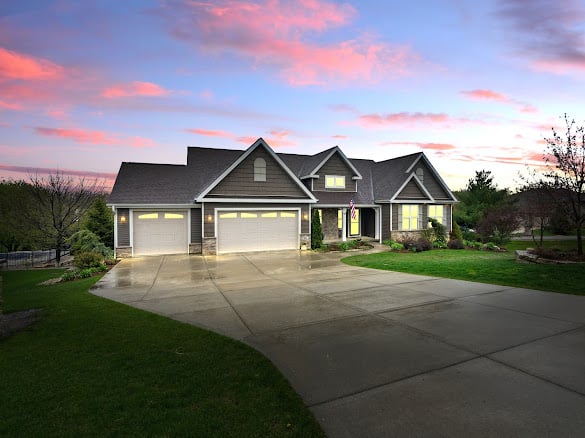
The Truth About Acreage in Horse Properties: Understanding Sustainable Land Management
When considering the purchase of a horse property, many buyers focus on the number of acres available. However, the number of acres alone doesn't always reflect true sustainability. Proper land management is crucial to ensure your property can support your horses effectively. Here's a closer look at why acreage numbers can be misleading and what you need to know to manage your horse property sustainably.
The Importance of Proper Land Management
One acre per horse is a general rule of thumb for sustainable land management. This means that each horse requires at least one acre of well-maintained pasture to ensure they have enough space and resources. However, failing to properly care for your land can drastically reduce its capacity. Poor management can lead to degraded pasture quality, increased disease risk, and significant mud and drainage issues.
Soil Quality and Plant Health: Healthy soil and plants are essential for sustaining your horses. Neglecting soil health and plant care can reduce the pasture's carrying capacity by up to 50%. Regular soil testing, proper fertilization, and reseeding are critical practices to maintain pasture health. Plants also play a vital role in holding soil together and soaking up rain runoff, preventing erosion that can affect not only your property but also your neighbors' properties.
Manure Management: Accumulations of manure in pastures can lead to parasite problems and poor pasture quality. Effective manure management, such as regular removal and composting, is essential to prevent these issues.
Drainage and Mud Control: Poor drainage can lead to muddy pastures, which are not only unsightly but can also pose health risks to your horses. Implementing proper drainage solutions and using high-traffic area management techniques can help mitigate these problems.
Assessing Usable Space on Your Property
The total acreage of your property can be misleading if you don't consider the actual usable space:
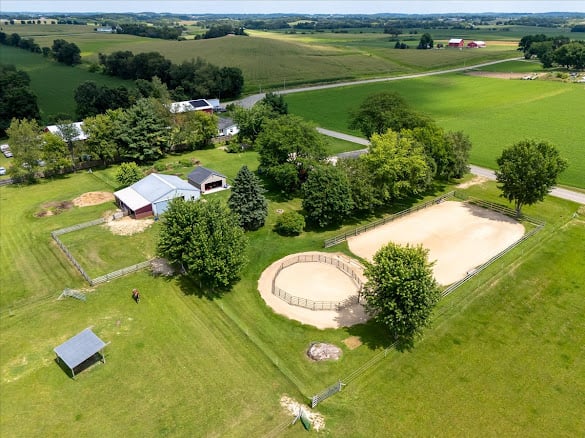
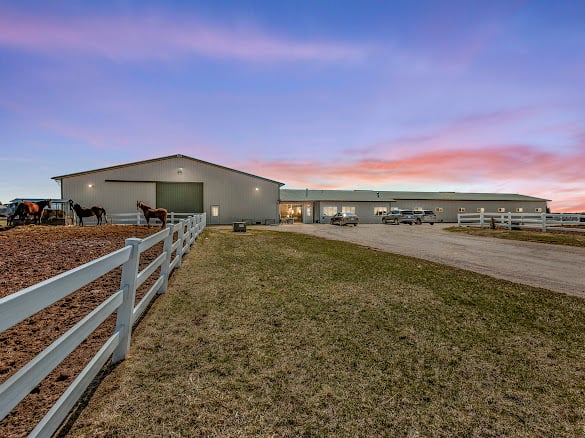
- Green Space vs. Structure: Identify the areas dedicated to barns, arenas, and other structures. Only the remaining green space can be counted toward pasture land.
- Woodlands and Unusable Areas: Woodland areas and other non-pasture land don't contribute to your horses' grazing needs. These areas might be converted into pasture, but this process is costly and requires extensive planning and maintenance.
For example, a 10-acre property might break down as follows:
- 2 acres dedicated to structures and storage
- 3 acres of woodland
- 2 acres of existing fenced pasture
- 3 acres potentially convertible to pasture
This means you truly have only 2 acres of pasture, with room for an additional 3 acres that could be converted with significant investment.
Understanding Local Regulations and Sustainability Standards
Local regulations can significantly impact how many horses your property can sustainably support. Some areas have strict zoning laws and sustainability measures that must be followed:
- Green Space Regulations: Some townships exclude the land occupied by structures when calculating usable acreage.
- Point Systems: Certain areas use a point system to determine animal density. For instance, one acre might be worth 100 points, with different animals assigned different point values (e.g., a horse might be 70 points).
- Zoning Restrictions: Some zones may restrict horse ownership altogether or require more acreage per horse due to soil quality and environmental concerns.
Examples of Responsible and Irresponsible Land Management
Consider these two scenarios to understand the impact of responsible land management:
- Irresponsible Management: A 7-acre property in an unrestricted zone houses 37 horses. The land is stripped of resources, leading to poor pasture quality, mud, and unhealthy horses. The absence of plants leads to soil erosion, affecting both the property and neighboring lands.
- Responsible Management: The same 7-acre property houses only 3 horses, providing ample space and resources. The horses have healthy pastures, appropriate sacrifice areas, and are well-cared for. Proper plant management holds the soil together and manages rain runoff effectively, preventing erosion.
These examples highlight that just because zoning laws might technically allow a certain number of horses, responsible management practices should guide your decisions.
Conclusion
When evaluating horse properties, it's essential to look beyond the total number of acres and consider the actual usable space and the level of land management required. Sustainable horse property ownership involves understanding and caring for the land, managing resources effectively, and adhering to local regulations. By prioritizing responsible land management practices, you can ensure a healthy, sustainable environment for your horses. Remember, just because you can house a certain number of horses on your property doesn't mean you should. Sustainable and responsible management is key to a successful and fulfilling horse property ownership experience.


Whether you’re buying your first home, selling a property, or searching for the perfect farm, we're here to guide you every step of the way with honesty, exceptional service, and a seamless, stress-free experience.