Keeping Up Appearances: How Property Maintenance Can Make or Break Your Sale
When you list a horse property for sale, the state of the property at the time of listing sets a precedent for buyers. What many sellers don't realize is that failing to maintain the property in that condition can be considered a breach of contract. From keeping fences horse-safe to mowing pastures and maintaining arena footing, these tasks aren't just about curb appeal — they can make or break a sale.
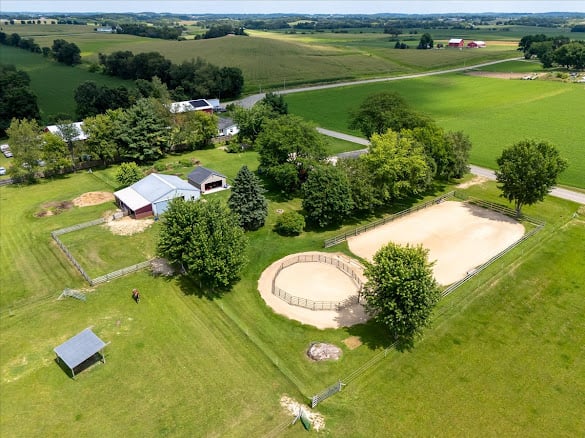
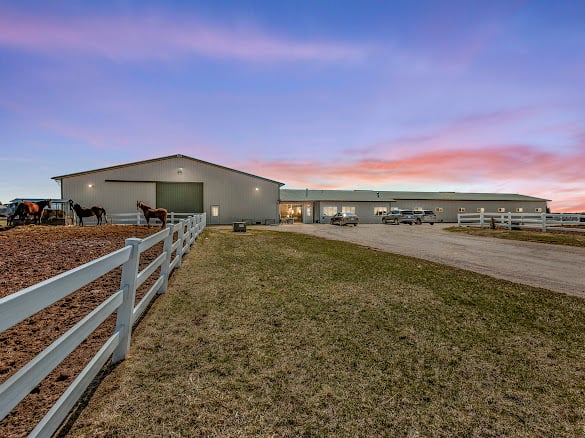
Fences are a prime example. If your property is advertised as "horse-ready," those fences should be secure enough to contain horses the day a buyer moves in. Allowing fences to deteriorate between listing and closing not only gives buyers a poor impression but could also be seen as failing to uphold the terms of the sale. I've shown properties where the photos depicted pristine, functional pastures, only to arrive and find broken boards, sagging wire, or electric fencing that no longer worked. For many buyers, especially first-time farm owners, taking on those repairs can be overwhelming.
Mowing may seem like a minor task, but it plays a massive role in keeping pastures usable and presenting your property accurately. Pastures that were neatly maintained in listing photos should stay that way until closing. Once pastures become overgrown, reclaiming them isn't as simple as firing up a lawnmower. We're often talking about acres of land that require specialized equipment like tractors and brush hogs to maintain — rentals for which can easily cost thousands of dollars.
Arena maintenance is another often-overlooked aspect. If you've advertised a riding arena, it should be kept weed-free and properly maintained until the deal is done. Once weeds take hold, they can quickly deplete the footing. Replacing sand or other footing materials isn't cheap — costs can easily run into the thousands. I've seen buyers nearly walk away from otherwise promising properties because the arena footing had been neglected, turning what should have been a selling point into a costly liability.
Neglecting these aspects can cost sellers more than just money; it can cost them the sale altogether. When buyers visit a property, they expect what they see to match the listing. If the property has declined in condition, they may feel misled or worry about hidden issues.
From personal experience, I can say that horse properties require more attention than traditional homes, and that expectation extends through the sales process. As an equestrian real estate specialist, I always emphasize to my sellers the importance of maintaining the property right up until closing. It not only protects the integrity of the sale but ensures the new owners can step into a property that truly is "horse-ready."
If you're thinking of selling your equestrian property, make sure you understand what it takes to uphold your end of the contract. Your buyers — and their horses — will thank you.
Whether you’re buying your first home, selling a property, or searching for the perfect farm, we're here to guide you every step of the way with honesty, exceptional service, and a seamless, stress-free experience.