Are You Ready to Buy Your Own Horse Property? Essential Considerations Before Taking the Plunge
Owning a horse property is a dream for many equestrians, but it requires more than just financial readiness or years of riding experience. While these aspects are important, there are many other factors to consider to ensure you are truly prepared for the responsibilities and challenges that come with horse property ownership.
Financial Readiness: More Than Just the Purchase Price
Before making a decision, assess the full financial implications:
- Initial Costs: Beyond the purchase price, consider closing costs, property taxes, and insurance.
- Ongoing Expenses: Budget for feed, veterinary care, farrier services, utilities, maintenance, and unexpected repairs.
- Emergency Fund: Maintain a reserve for emergencies such as medical issues or significant property repairs.
Experience and Knowledge
Even seasoned riders and trainers may find the transition to property ownership challenging. Here are key areas to evaluate:
- Husbandry Skills: Do you have experience with the daily care of horses, including feeding, grooming, and health monitoring?
- Pasture Management: Understanding pasture rotation, soil health, and weed control is crucial for maintaining healthy grazing areas.
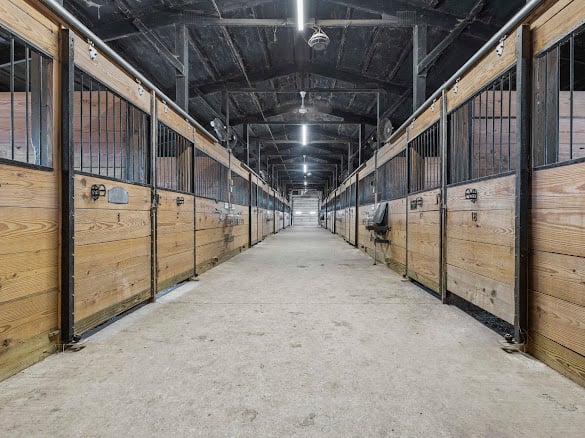
- Barn Management: Are you familiar with barn upkeep, including mucking stalls, managing bedding, and ensuring proper ventilation?
Everyday Responsibilities
Owning a horse property means committing to a lifestyle with few days off:
- Daily Care: Horses require daily feeding, watering, and care, regardless of your personal schedule or health.
- Routine Maintenance: Tasks such as repairing fences, managing muddy paddocks, and handling manure removal are constant.
- Seasonal Challenges: Be prepared to deal with winter storms, summer heat, and managing pests like flies.
Regulatory and Legal Considerations
Familiarize yourself with local regulations and equine laws:
- Zoning and Permits: Ensure your property is zoned for horses and that you have the necessary permits.
- Equine Laws: In Wisconsin, for instance, understand the liability laws, fencing requirements, and health regulations.
- Environmental Regulations: Comply with guidelines regarding waste management and water runoff.
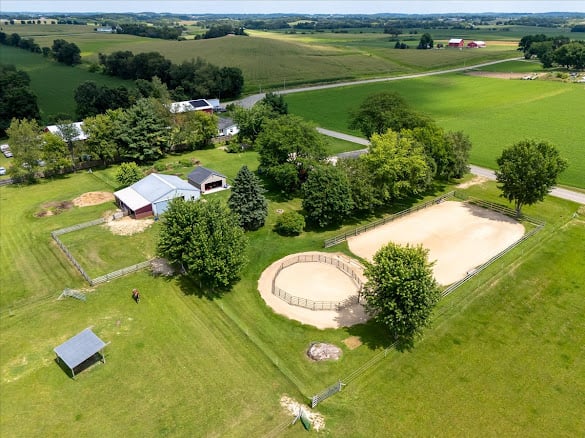
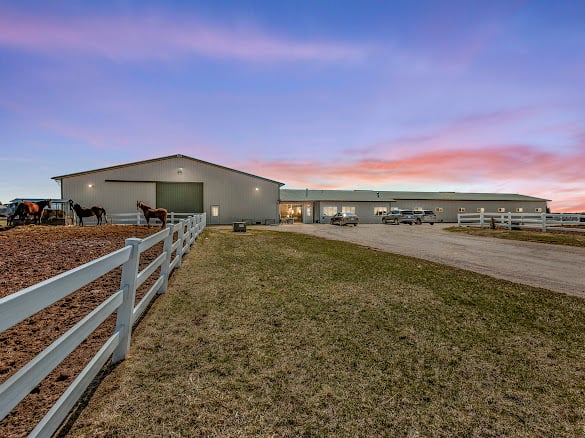
- Land requirements: Just because you have 10 acres of land might not mean the property is truly suitable for 10 or more horses. Really focus on the accessibility of a property and factor in true green space. Trying to put more horses on a property than the land can sustain can be detrimental to the quality of the property and can have an impact on your neighbors.
Business Operations
If you plan to run a business from your horse property, additional considerations apply:
- Marketing and Reputation: Develop a marketing plan, build a website, and establish a strong network within the equine community.
- Suppliers and Logistics: Secure reliable hay and grain suppliers, and have contingency plans in place for supply disruptions.
- Staffing and Trainers: Hire experienced and reputable staff and trainers, as their performance and reputation will reflect on your business.
Red Flags to Watch Out For
When evaluating your readiness, be mindful of these red flags:
- Underestimating Time Commitment: If you're unsure about dedicating significant time daily to horse care and property maintenance.
- Lack of Knowledge: Limited experience in horse husbandry, pasture management, or barn upkeep can lead to difficulties.
- Financial Strain: Stretching your budget to purchase the property without accounting for ongoing and emergency expenses.
- Regulatory Ignorance: Not being aware of local zoning laws, permits, and equine regulations.
- Business Naivety: Planning to run a business without a solid marketing strategy, network, or backup suppliers.
Owning a horse property can be a rewarding experience, but it's essential to approach it with a comprehensive understanding of the responsibilities and challenges involved. Assess your readiness beyond just financial capability and riding experience, and ensure you are equipped with the knowledge, skills, and resources necessary for successful horse property ownership. By thoroughly preparing and addressing potential challenges, you can create a safe, enjoyable, and sustainable environment for both you and your horses.

Whether you’re buying your first home, selling a property, or searching for the perfect farm, we're here to guide you every step of the way with honesty, exceptional service, and a seamless, stress-free experience.